
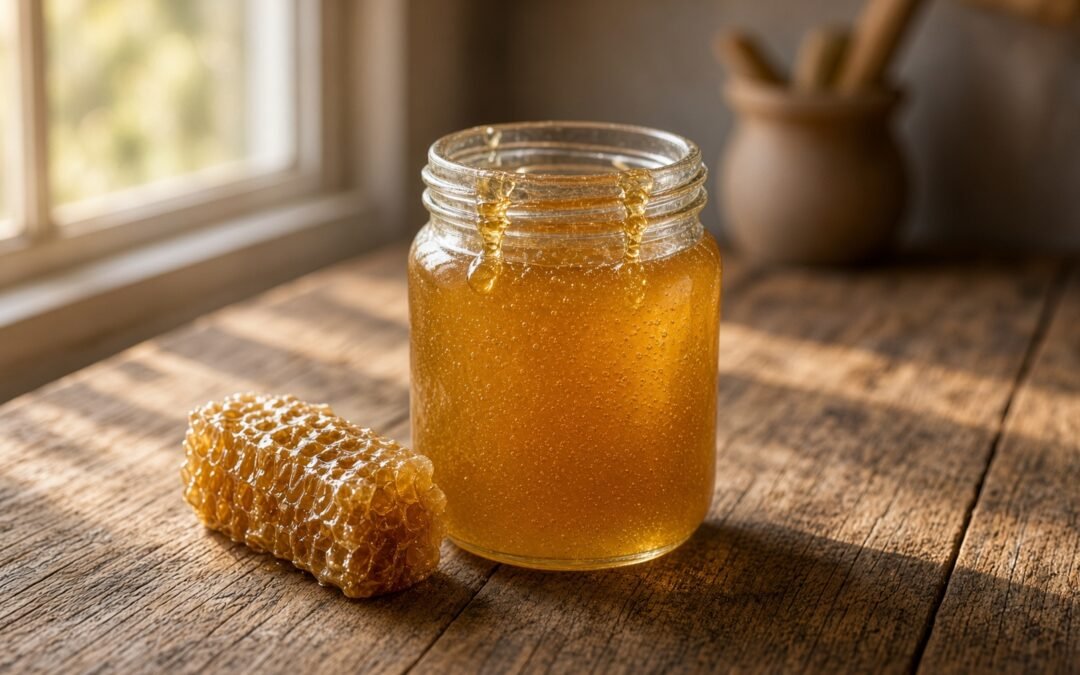
More Than Just a Natural Sweetener
Honey has been used as both food and traditional medicine for thousands of years. But what does modern science actually say about its benefits?
Raw honey is typically minimally processed, meaning it may retain more of its naturally occurring compounds than heavily heated or extensively filtered honey. These compounds can include polyphenols, flavonoids, enzymes, and small amounts of vitamins and minerals.
Its exact nutritional profile depends on the flowers the bees collected nectar from, the region, and how the honey was processed.
1. It Contains Antioxidant Compounds
One of honey's most interesting properties is its antioxidant content.
Honey contains various polyphenols and flavonoids, plant-derived compounds that can help protect cells from oxidative stress. Generally, darker varieties of honey tend to contain higher levels of certain antioxidant compounds.
2. It Can Help Soothe a Cough and Sore Throat
This is one of the best-known evidence-based uses of honey.
Honey's thick texture can coat and soothe the throat, and research suggests it may help reduce coughing, particularly in children over the age of one.
A spoonful of honey in warm water or herbal tea can be a simple and comforting remedy when you're feeling under the weather.
Important: Honey should never be given to babies under 12 months old.
3. It Provides Quick Energy
Honey is primarily made up of natural sugars, including glucose and fructose.
These carbohydrates can provide a relatively quick source of energy, which is why honey has traditionally been used before physical activity or during periods of exertion.
For active people, a small amount of honey can be a convenient source of carbohydrates before or after exercise.
4. It Has Natural Antimicrobial Properties
Honey has several characteristics that can inhibit the growth of certain microorganisms.
Its low water content, acidity, and high sugar concentration create an environment that makes it difficult for many microbes to grow. Some types of honey also produce small amounts of hydrogen peroxide when applied in certain conditions.
This is one reason specific medical-grade honeys are used in wound care.
However, it's important to distinguish between medical-grade honey used clinically and the jar of honey in your kitchen.
Raw Doesn't Mean Unlimited
Despite its potential benefits, honey is still primarily sugar.
The healthiest approach is to enjoy it as part of a balanced diet, not as a health supplement to consume in large quantities.
Think of it as a better-quality sweetener with additional beneficial compounds, rather than a miracle cure.
How to Use It
Keep it simple:
- Add a small spoonful to Greek yogurt or raw milk
- Use it in herbal tea
- Drizzle it over fruit
- Use it as a natural sweetener in homemade recipes
- Enjoy a little before physical activity when you need quick energy
A Simple Ritual
One of my favourite ways to enjoy honey is as part of a slower morning ritual.
Make a cup of herbal tea, add a small amount of honey, and take a few minutes away from your phone.
Good health doesn't usually come from one superfood.
Want Personal Guidance?
Get a coaching plan built entirely around your body and your goals.
Explore Coaching